Pain, once seen merely as a symptom of illness, is now recognized in modern medicine as a vital sign—just as important as heart rate, breathing, body temperature and blood pressure. Beyond being an unpleasant sensation, pain can disrupt nearly every aspect of daily life, affecting physical health, mental well-being and overall functionality.
However, specialists emphasize that the widespread habit of taking painkillers without medical advice is becoming a hidden public health issue. What begins as an attempt to ease a temporary discomfort often results in inappropriate treatment, masked symptoms, delayed diagnoses, and in more severe cases, damage to vital organs.
Why Pain Matters More Than We Think
Pain is not only a warning signal; it is also a factor influencing the body’s hormonal, neurological and psychological balance. When left unmanaged or improperly treated, pain can lead to:
-
disrupted sleep patterns
-
reduced appetite and hydration
-
difficulty concentrating
-
chronic fatigue
-
irritability, sadness or depression
Because pain tolerance varies widely among individuals, effective pain treatment must always be personalized.
Why People Use Painkillers Incorrectly
According to healthcare professionals, several misconceptions encourage the public to self-medicate. The most common include:
| Misconception | Explanation |
|---|---|
| “I’ll just take one if it gets worse” | Waiting until pain peaks leads to delayed and ineffective relief. |
| Increasing the dose means more relief | Higher doses seldom increase pain-relieving effects but greatly increase side effects. |
| Mixing multiple painkillers is safe | Combining drugs can seriously harm the stomach, kidneys and heart. |
| Using someone else’s medication is harmless | Pain and medical conditions differ; a drug may help one person but harm another. |
The Myth of Injectable Painkillers
One widely believed myth is that injectable painkillers are stronger than oral tablets. Experts clarify that this is not true—the active ingredient is the same. Injections merely reach the bloodstream faster, but in long-term pain management, oral medications are safer and equally effective, avoiding unnecessary needle-related risks.
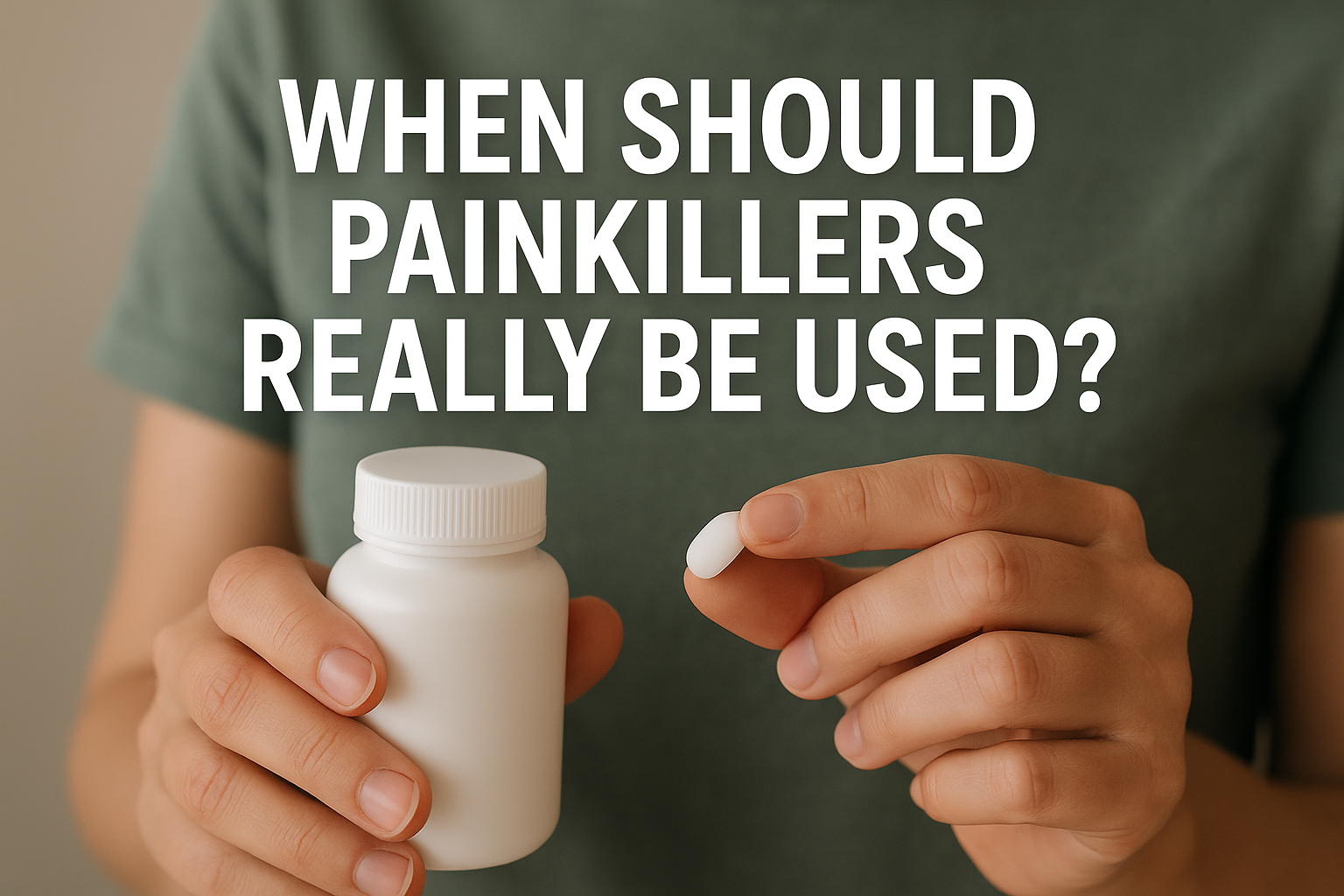
When Should Painkillers Actually Be Used?
Doctors recommend that painkillers should be taken only under proper medical supervision, following key principles:
-
The medication should be taken regularly, not only after the pain intensifies.
-
Dosage must be adjusted to the individual’s health status.
-
All underlying conditions (heart, stomach, kidney, liver issues) should be disclosed to the physician.
-
Expired medications must never be used.
-
Painkillers should only be taken with water, not with tea, coffee or alcohol.
-
Possible drug interactions must be considered.
-
Any unusual symptoms require immediate consultation with a healthcare provider.
Potential Health Risks of Misusing Painkillers
Unsupervised use of painkillers—especially non-steroidal anti-inflammatory drugs (NSAIDs)—can lead to serious complications:
| Body System | Possible Complications |
|---|---|
| Digestive System | Ulcers, gastritis, internal bleeding |
| Kidneys | Impaired function, acute kidney failure |
| Liver | Toxicity, elevated liver enzymes |
| Heart & Circulation | High blood pressure, increased risk of heart attack |
| Respiratory System | Allergic reactions, bronchospasm |
| Blood | Clotting disorders |
People with chronic conditions face even higher risks when taking painkillers without guidance.
Conclusion: Painkillers Are Not Ordinary Medications
Though easily accessible, painkillers are far from harmless. Specialists stress that pain must be treated, but the treatment must be accurate, appropriate and medically supervised. Taking “just one pill” may seem harmless, but repeated or incorrect use can lead to far more serious—and sometimes irreversible—health consequences.